
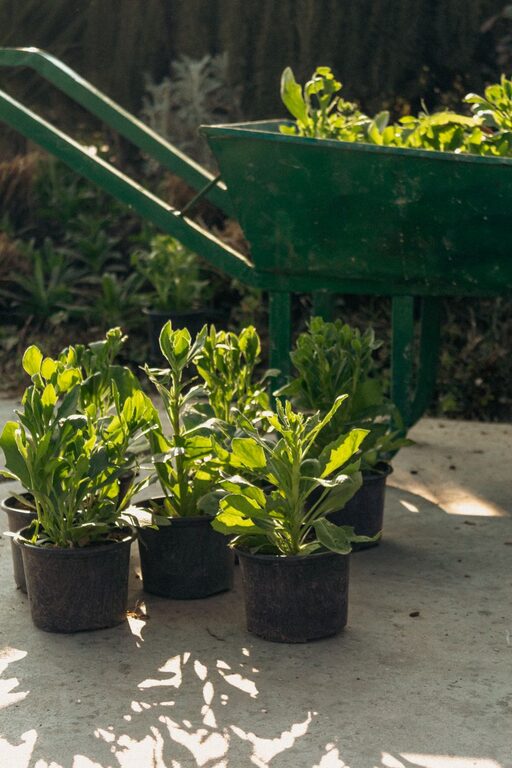
Creating a sustainable home garden is a rewarding way to enjoy fresh, homegrown plants while minimizing environmental impact. Whether you’re a seasoned gardener or just beginning, maintaining a garden year-round can provide fresh produce, beautiful flowers, and a healthier ecosystem. This guide will walk you through key tips for creating a sustainable home garden throughout the year.
Understanding Sustainability in Gardening
Sustainability in gardening focuses on methods that conserve resources, support biodiversity, reduce waste, and minimize chemical use. This approach benefits your garden and the environment by improving soil health, saving water, and reducing pollution.
Planning Your Sustainable Garden
Choose the Right Location
Start by selecting a spot that gets adequate sunlight, has good drainage, and is convenient for watering and maintenance. South-facing areas usually get the most sun in the northern hemisphere, which is ideal for many plants.
Design with Nature in Mind
Incorporate native plants that are well adapted to your climate. Native species typically require less water, fertilizer, and pest control. Also, consider companion planting, where certain plants grow well together and help each other thrive.
Soil Health and Composting
Test and Improve Your Soil
Healthy soil is the foundation of a thriving garden. Regularly test your soil’s pH and nutrient levels using affordable kits. Amend soil naturally with compost, aged manure, or organic matter to improve texture and nutrient content.
Start a Compost Bin
Composting reduces waste and produces nutrient-rich material to nourish your garden. Use kitchen scraps, yard waste, and dry leaves to build your compost pile. Turn it regularly to speed decomposition and keep odors away.
Water Wisely
Implement Efficient Watering Techniques
Water your plants early in the morning or late in the evening to minimize evaporation. Use drip irrigation or soaker hoses to deliver water directly to the roots, reducing waste.
Collect Rainwater
Set up rainwater harvesting systems, such as barrels, to collect runoff from your roof. This water can be used for irrigation, reducing reliance on municipal water sources.
Choosing Plants for All Seasons
Plant Perennials and Edibles
Perennials come back every year and often require less care than annuals. Integrate edible perennials like herbs, berries, or asparagus into your garden.
Rotate Crops and Grow Seasonal Plants
Crop rotation prevents soil depletion and pest buildup. Plan your garden to include seasonal vegetables and flowers so you have continuous growth and harvest throughout the year.
Minimizing Chemical Use
Practice Natural Pest Control
Encourage beneficial insects like ladybugs and bees by planting pollinator-friendly flowers. Use natural pest repellents such as neem oil, garlic spray, or insecticidal soap when needed.
Avoid Synthetic Fertilizers and Pesticides
Rely on organic fertilizers and natural amendments rather than chemical options. This supports soil biology and reduces pollution risks.
Supporting Wildlife and Biodiversity
Create Habitats
Include birdhouses, insect hotels, and shallow water sources to attract beneficial wildlife. Diverse wildlife helps control pests and supports pollination.
Plant a Variety of Species
Diversity can help your garden resist disease and pests. Mix flowering plants, shrubs, trees, and ground covers to create a healthy ecosystem.
Garden Maintenance Throughout the Year
Seasonal Tasks
– Spring: Prepare soil, plant seeds and seedlings, prune winter damage.
– Summer: Water efficiently, control weeds, harvest regularly.
– Fall: Add compost, plant cover crops, mulch to protect roots.
– Winter: Clean tools, plan next year’s garden, protect tender plants.
Keep a Garden Journal
Track planting dates, harvests, and observations of pests or diseases. This record helps improve your garden’s productivity and sustainability over time.
Conclusion
Maintaining a sustainable home garden year-round takes planning, care, and a respect for natural processes. By choosing the right plants, improving soil health, conserving water, and encouraging biodiversity, you can create a thriving garden that benefits both you and the environment. Start small, observe your garden’s needs, and enjoy the many rewards of sustainable gardening all year long.