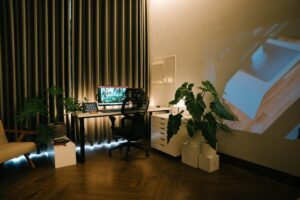

Creating a relaxing home workspace can make a significant difference in your productivity and overall work experience. When your environment feels calm and inviting, you’re more likely to stay focused, reduce stress, and enjoy your daily tasks. Whether you’re working remotely permanently or just occasionally, setting up the right workspace is essential. Below are some practical tips to help you create a peaceful and productive home office environment.
Choose the Right Location
Start by selecting a space in your home that suits your work style. Ideally, this should be a quiet area with minimal distractions. If possible, use a room or corner that you can dedicate exclusively to work. This separation helps your brain distinguish between work time and relaxation or leisure time.
Consider Natural Light
Natural light positively impacts mood and energy levels, so try to position your workspace near a window. If natural light isn’t available, opt for soft, warm artificial lighting to reduce eye strain and create a cozy atmosphere.
Invest in Comfortable Furniture
Your chair and desk are at the core of a functional workspace. Ergonomic furniture supports good posture and prevents discomfort during extended work periods.
– Ergonomic Chair: Look for one with lumbar support and adjustable features such as height and tilt.
– Desk Height: Ensure your desk aligns with your elbows when seated to avoid strain.
– Footrest: If needed, use a footrest to maintain proper leg positioning.
Comfort directly impacts your ability to stay focused and work efficiently. Don’t hesitate to invest in quality pieces that fit your needs.
Keep Your Workspace Organized
A clutter-free area promotes a clear mind and improves concentration. Use organizational tools to keep your desk tidy and your essentials within reach.
– Storage Solutions: Shelves, drawers, or bins help store papers and supplies neatly.
– Cable Management: Use clips or covers to manage cords and prevent tangles.
– Minimal Decor: Limit decorations to a few meaningful items to avoid overwhelming your space.
Set aside a few minutes at the end of each day to tidy your workspace, so you’re ready to start fresh the next morning.
Incorporate Relaxing Elements
Adding calming touches to your workspace can reduce stress and make your environment more enjoyable. Consider these simple additions:
– Plants: Indoor plants improve air quality and bring a sense of nature indoors.
– Aromatherapy: A diffuser with essential oils like lavender or eucalyptus can create a soothing atmosphere.
– Soft Textiles: Cushions or a cozy throw can add comfort and warmth.
These elements create a balanced work environment by blending functionality with relaxation.
Manage Noise Levels
Noise can be a major distraction, so find ways to control sound in your workspace.
– Noise-Canceling Headphones: Great for blocking out distractions during focused work sessions.
– Background Music: Some people find soft instrumental music helps maintain concentration.
– Soundproofing: If possible, add rugs, curtains, or acoustic panels to absorb sound.
Experiment to discover what works best for your concentration and comfort.
Optimize Technology Setup
A smooth and efficient tech setup prevents frustration and distractions.
– Fast Internet: Ensure your connection is reliable for video calls and online tasks.
– Monitor Placement: Position your screen at eye level to avoid neck strain.
– Keyboard and Mouse: Use ergonomic options for comfort and better control.
Regularly update your software and keep chargers and cables organized to streamline your work processes.
Establish a Routine
Creating and sticking to a daily routine helps establish boundaries, making it easier to stay productive while working from home.
– Set Work Hours: Define when you start and finish to maintain a work-life balance.
– Breaks: Schedule regular short breaks to stretch, hydrate, and refresh your mind.
– Start and End Rituals: Simple habits like making a cup of tea before work or tidying the desk when finished can signal the beginning and end of your day.
Routines reinforce a productive mindset and reduce the risk of burnout.
Personalize Your Space
Finally, personalize your workspace to fit your tastes and motivate you. Display photos, artwork, or inspirational quotes that resonate with you. This personal touch can make your home office feel inviting and uniquely yours.
—
Creating a relaxing home workspace is about combining comfort, organization, and functionality to support your best work. By thoughtfully designing your environment and developing healthy habits, you can boost productivity and enjoy a more balanced work-from-home experience. Start small, experiment with what works best for you, and watch your focus and mood improve over time.