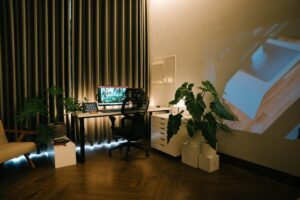
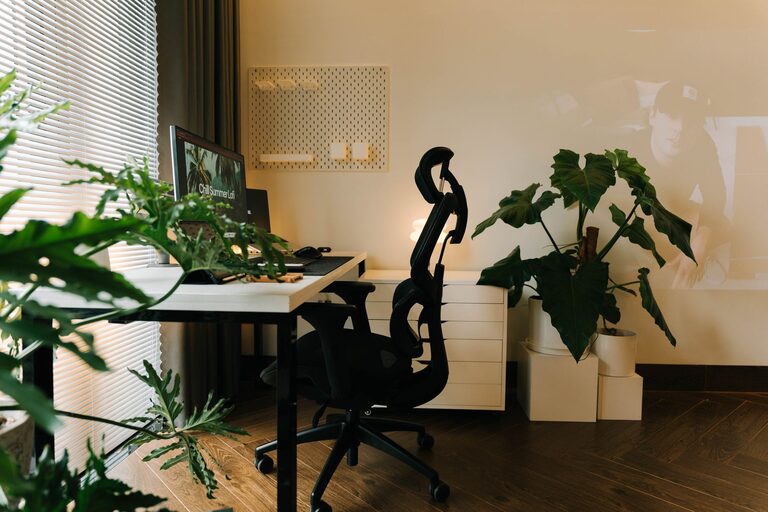
Creating a cozy and inviting home office is essential for anyone who works from home or spends a significant amount of time at a desk. A well-designed space can improve focus, reduce stress, and make your workday more enjoyable. Whether you have a dedicated room or a small corner, you can turn it into a comfortable retreat tailored to your needs. Here are some tips to help you create the perfect home office.
Choose the Right Location
Before you start decorating, pick a spot in your home that suits your work style. Ideally, it should be quiet, have good natural light, and enough room for your furniture and supplies.
– Near a window: Natural light can boost your mood and reduce eye strain.
– Away from distractions: Try to avoid high-traffic areas like the kitchen or living room.
– Space for movement: Even a small area should allow for some stretching or standing breaks.
Invest in Comfortable Furniture
Comfort is key to maintaining productivity. Choose furniture that supports good posture.
– Ergonomic chair: Look for adjustable chairs with lumbar support.
– Desk height: Your desk should allow your arms to rest at a 90-degree angle.
– Additional seating: If space allows, add a cozy chair or small sofa for reading or breaks.
Create a Warm Color Palette
Colors affect mood and energy. Warm, soft colors often make a space feel cozy and welcoming.
– Neutral tones: Shades like beige, soft gray, or off-white create a calm backdrop.
– Accent colors: Use warm colors such as muted oranges, yellows, or soft reds in accessories or wall art.
– Avoid harsh colors: Extremely bright or dark colors can cause strain or distraction.
Use Soft Lighting
Lighting plays a big role in setting the mood.
– Layered lighting: Combine overhead lights with desk lamps and floor lamps.
– Warm bulbs: Choose bulbs that emit soft, warm light to reduce glare.
– Adjustable lighting: Ensure you can control light intensity depending on the time of day.
Personalize Your Space
Adding personal touches makes your workspace inviting and motivates you.
– Decorations: Include artwork, photos, or meaningful objects.
– Plants: Greenery adds life and can improve air quality.
– Rugs and textiles: Soft rugs, cushions, and throws add texture and warmth.
Keep It Organized
An organized workspace helps clear your mind and reduce stress.
– Storage solutions: Use shelves, drawers, or boxes to keep supplies tidy.
– Cable management: Use clips, sleeves, or trays to manage cords.
– Daily declutter: Make it a habit to tidy up at the end of each workday.
Incorporate Functional Accessories
Accessories can boost both form and function.
– Desk organizers: Keep pens, notebooks, and gadgets within easy reach.
– Whiteboard or corkboard: Useful for notes, reminders, and inspiration.
– Noise-cancelling headphones: Help maintain focus in noisy environments.
Balance Work and Relaxation Zones
If space permits, separate your “work” area from a relaxation spot.
– Break corner: A small comfy chair or cushions let you step away without leaving the room.
– Refreshments: A small coffee station or water bottle nearby keeps you energized.
– Lighting cues: Use different lighting or decor to distinguish zones.
Maintain Good Air Quality
Fresh air helps maintain energy and mental clarity.
– Open windows: Whenever possible, let fresh air circulate.
– Air purifiers: Consider adding one to reduce dust and allergens.
– Houseplants: Besides beauty, some plants improve indoor air quality.
Regularly Refresh Your Space
A stagnant environment can decrease motivation.
– Change decor seasonally: Swap out cushions, art, or plants.
– Rearrange furniture: Even small changes can make the space feel new.
– Add new elements: A new lamp or organizer can re-energize your work area.
—
By implementing these tips, your home office can become more than just a workstation—it can be a cozy, inviting place where you look forward to spending time. A thoughtfully designed space supports your productivity while nurturing comfort and creativity. Happy decorating!