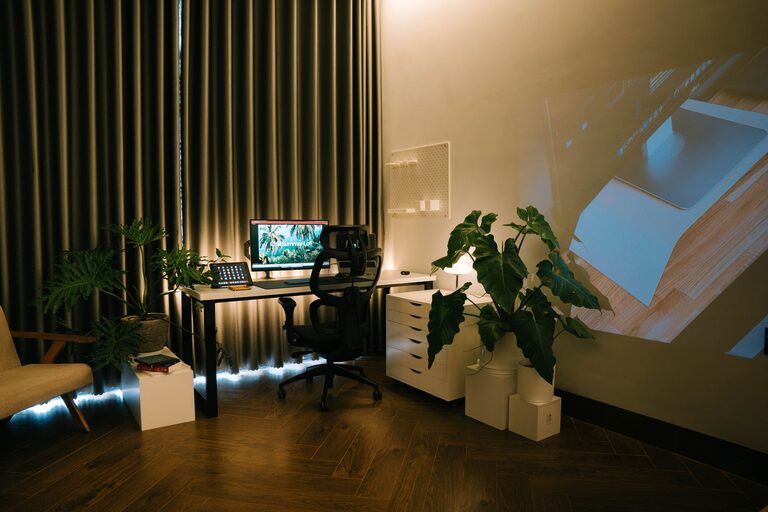
Creating a home office that is both cozy and productive can make a significant difference in how you work each day. Whether you’re working remotely full-time or need a dedicated space for occasional tasks, designing your workspace with comfort and efficiency in mind helps you stay focused and motivated. In this post, we’ll explore practical tips to create a welcoming home office that encourages productivity.
1. Choose the Right Location
Selecting the ideal spot for your home office is the first step. Here are some factors to consider:
– Natural light: Position your desk near a window if possible. Natural light helps improve mood and reduces eye strain.
– Quiet environment: Pick a quiet corner or a room where you can minimize distractions.
– Space availability: Make sure the area has enough room for your furniture and equipment with some breathing space.
If space is limited, consider multifunctional areas like a nook in the living room or a converted closet. The key is to create a dedicated zone that signals “work time” to your brain.
2. Invest in Comfortable and Functional Furniture
Comfort is crucial when you spend hours sitting or working at a desk. Here’s what to focus on:
– Ergonomic chair: Choose a chair with support for your back, adjustable height, and comfortable padding.
– Desk height and size: Your desk should allow your arms to rest at a comfortable angle and have enough surface area for your computer, paperwork, and accessories.
– Storage solutions: Use shelves, drawers, or organizers to keep your workspace tidy and clutter-free.
Avoid working from soft surfaces like beds or couches, as this can lead to poor posture and reduced focus.
3. Optimize Lighting
Proper lighting can enhance focus and reduce fatigue:
– Task lighting: A good desk lamp provides focused light for writing or reading.
– Ambient lighting: A well-lit room with soft overhead lights reduces eye strain.
– Adjustable lighting: If you’re working different hours, consider adjustable lamps or smart bulbs to adapt the lighting to your needs.
Try to minimize glare on your computer screen by experimenting with the placement of lights.
4. Organize Your Workspace
A cluttered desk can distract and decrease productivity. Here are some organization strategies:
– Declutter regularly: Remove items that are not necessary for your daily work.
– Use organizers: Desk trays, pen holders, and filing systems keep things orderly.
– Cable management: Use clips, ties, or cable boxes to keep cords untangled and out of sight.
– Digital organization: Keep your computer desktop clean and files organized for quick access.
A clean, organized space helps clear your mind and makes working more enjoyable.
5. Personalize Your Space for Comfort and Inspiration
Adding personal touches can make your home office a space you enjoy being in:
– Decorate with plants: Indoor plants improve air quality and add a touch of nature.
– Artwork: Hang pictures or prints that inspire you and make the space inviting.
– Comfort items: Keep a cozy blanket, a favorite mug, or a small speaker for music.
– Color scheme: Choose calming or stimulating colors based on what helps you focus and feel good.
Personalization helps you feel connected to your space, increasing motivation.
6. Minimize Distractions
Staying productive means limiting interruptions:
– Set boundaries: Let family members or housemates know your work hours.
– Use headphones: Listening to instrumental or ambient music can help block background noise.
– Turn off notifications: Silence non-essential phone and computer alerts when you need to focus.
– Keep essentials close: Having frequently used items within reach reduces unnecessary breaks.
Creating an environment that encourages concentration supports your work efficiency.
7. Maintain Good Air Quality and Temperature
Your physical comfort affects productivity:
– Ventilation: Open windows when possible or use a fan or air purifier to keep fresh air circulating.
– Temperature: Keep your workspace at a comfortable temperature to avoid discomfort.
– Humidity: A humidifier may help prevent dry air, especially in colder months.
Staying comfortable physically helps you concentrate better throughout the day.
8. Incorporate Movement and Breaks
Avoid sitting for long periods by including movement:
– Stretch breaks: Stand and stretch every hour.
– Desk exercises: Simple movements can reduce tension and boost circulation.
– Comfortable flooring: Use a soft rug or anti-fatigue mat if you alternate between sitting and standing.
Taking regular breaks supports your health and productivity.
Conclusion
Designing a cozy and productive home office is about balancing comfort, organization, and inspiration. By choosing the right location, investing in good furniture, managing lighting and clutter, and personalizing your environment, you create a workspace that supports your best work. Remember that your home office should adapt to your needs, so feel free to experiment with different setups until you find what works best for you. Happy working!