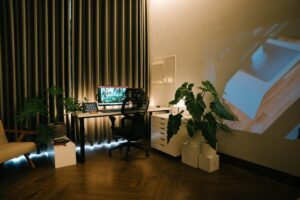
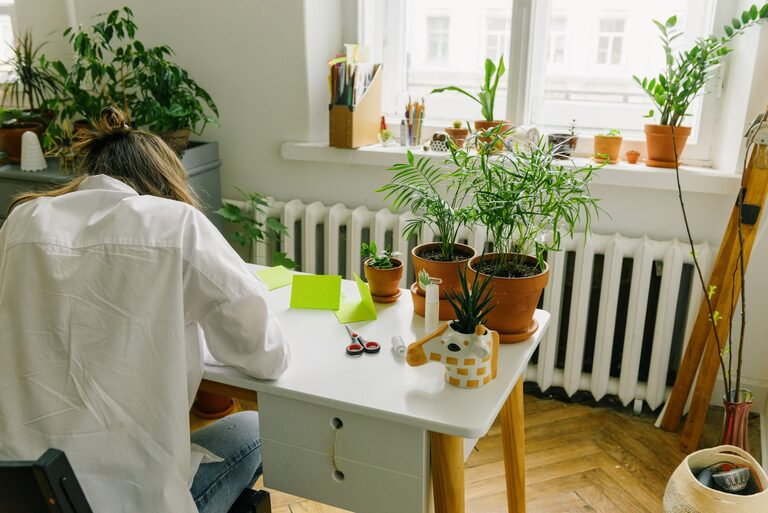
Creating a home workspace that’s both relaxing and productive can make a big difference in how you feel and perform throughout your workday. When your environment supports comfort and focus, it’s easier to stay motivated and get tasks done efficiently. Whether you’re working remotely full-time or just occasionally, designing a space that promotes calm and concentration can boost your productivity and well-being.
In this post, we’ll share practical tips for setting up a relaxing home workspace that helps you work smarter and feel better.
Choose the Right Location
The first step is finding a spot in your home where you can work without distractions. Ideally, select a quiet area with good natural light. If space is limited, even a corner in a living room or bedroom can work as long as it feels dedicated to your work.
Consider these tips:
– Avoid high-traffic areas to minimize interruptions.
– Position your desk near a window to enjoy daylight.
– Keep the workspace separate from your relaxation zones if possible, so your brain associates it with work.
Invest in Comfortable Furniture
Comfort plays a huge role in staying relaxed and focused. Invest in a good-quality chair that supports your posture and a desk at the right height. Ergonomics can reduce physical strain and keep you feeling comfortable during long hours.
Furniture tips:
– Choose an adjustable chair with lumbar support.
– Use a desk that allows you to keep your arms at a 90-degree angle.
– Consider a standing desk or adjustable sit-stand converter for variety.
Declutter and Organize Your Space
A messy workspace can cause stress and make it harder to focus. Keep your desk tidy and only have essential items within reach.
Organizing ideas:
– Use drawer organizers or small containers for supplies.
– Keep cables managed and off your desk surface.
– Incorporate shelves or filing cabinets to store documents and books.
Personalize with Calming Elements
Adding personal touches that promote relaxation can create a pleasant atmosphere.
Try these:
– Include a small plant to add natural greenery.
– Use soft lighting with lamps rather than bright overhead lights.
– Add artwork or photos that make you smile and reduce stress.
– Choose soothing colors for your workspace accessories and décor.
Minimize Noise and Distractions
Noise can disrupt concentration, so finding ways to reduce or control it is important.
Solutions include:
– Using noise-canceling headphones or playing calming background music.
– Adding rugs or curtains to absorb sound.
– Informing household members about your work schedule to minimize interruptions.
Optimize Lighting for Comfort and Alertness
Lighting affects mood and energy levels. Natural light is best, but supplementing with good artificial light helps.
Lighting tips:
– Position your desk so light comes from the side to avoid screen glare.
– Use daylight bulbs or adjustable lamps to reduce eye strain.
– Consider a light therapy lamp if you work in low-light conditions.
Incorporate Break Areas and Movement
Even in a small space, designating a spot for breaks helps recharge your mind.
How to do this:
– Include a comfy chair or cushion nearby for stretching or relaxing.
– Set timers to remind yourself to stand up and move every hour.
– Use a yoga mat or simple stretching tools to stay active.
Use Technology to Enhance Productivity
The right technology setup can reduce frustration and streamline your work.
Tech tips:
– Use cable organizers to keep cords tidy.
– Invest in a good-quality monitor and keyboard for comfort.
– Use productivity apps or tools to organize tasks and focus.
Maintain the Space Regularly
A relaxing workspace requires upkeep. Set aside time each week to tidy and reorganize your area.
Maintenance routines:
– Clear your desk at the end of each day.
– Dust surfaces and clean your equipment regularly.
– Evaluate what’s working and make adjustments as needed.
—
Creating a relaxing home workspace isn’t just about aesthetics—it’s about designing an environment that supports your focus, comfort, and well-being. By organizing thoughtfully and adding touches that reduce stress, you can build a space that helps you be more productive with less effort.
Try implementing these tips step by step and notice how your workdays improve. A well-crafted home workspace is an investment in your productivity and peace of mind.